




WOLFBLANC ARCHITECTS

Well-being Architecture

Well-being & architecture

Well-being in architecture: spaces that care for people.

We place human well-being at the centre of architecture. Natural light, biophilic design, acoustic comfort, air quality and WELL standards are integrated from the brief through delivery for homes, hospitality and workplaces across Spain, Sweden and Greece.

What We Work On

Human performance starts with measurable design decisions.

  • Daylight & lighting: Sunlight, shadow and natural-light studies based on climate and orientation, with glare control and circadian-supportive artificial lighting.
  • Biophilic design: Integration of vegetation, organic materials, water, exterior views and spatial patterns that strengthen the connection between people and nature.
  • Acoustic zoning: Planning of quiet and active zones, speech privacy, reverberation treatment and control of external and building-services noise.
  • Air quality & thermal comfort: Natural and mechanical ventilation, pollutant control, temperature, radiant heat, humidity and air movement designed for the occupant profile.
  • WELL strategy & movement: Planning across WELL concepts, including active circulation, material health, comfort and the documentation required for certification when appropriate.

Our Approach

Evidence-based design, integrated from the start.

Well-being design goes beyond selecting healthy materials. We begin with an initial diagnosis, define the most relevant goals, integrate them into the architecture, validate performance through daylight, acoustic and comfort studies, and prepare documentation for WELL or equivalent certification. Certification is a verification tool; the objective is a space that genuinely supports people.
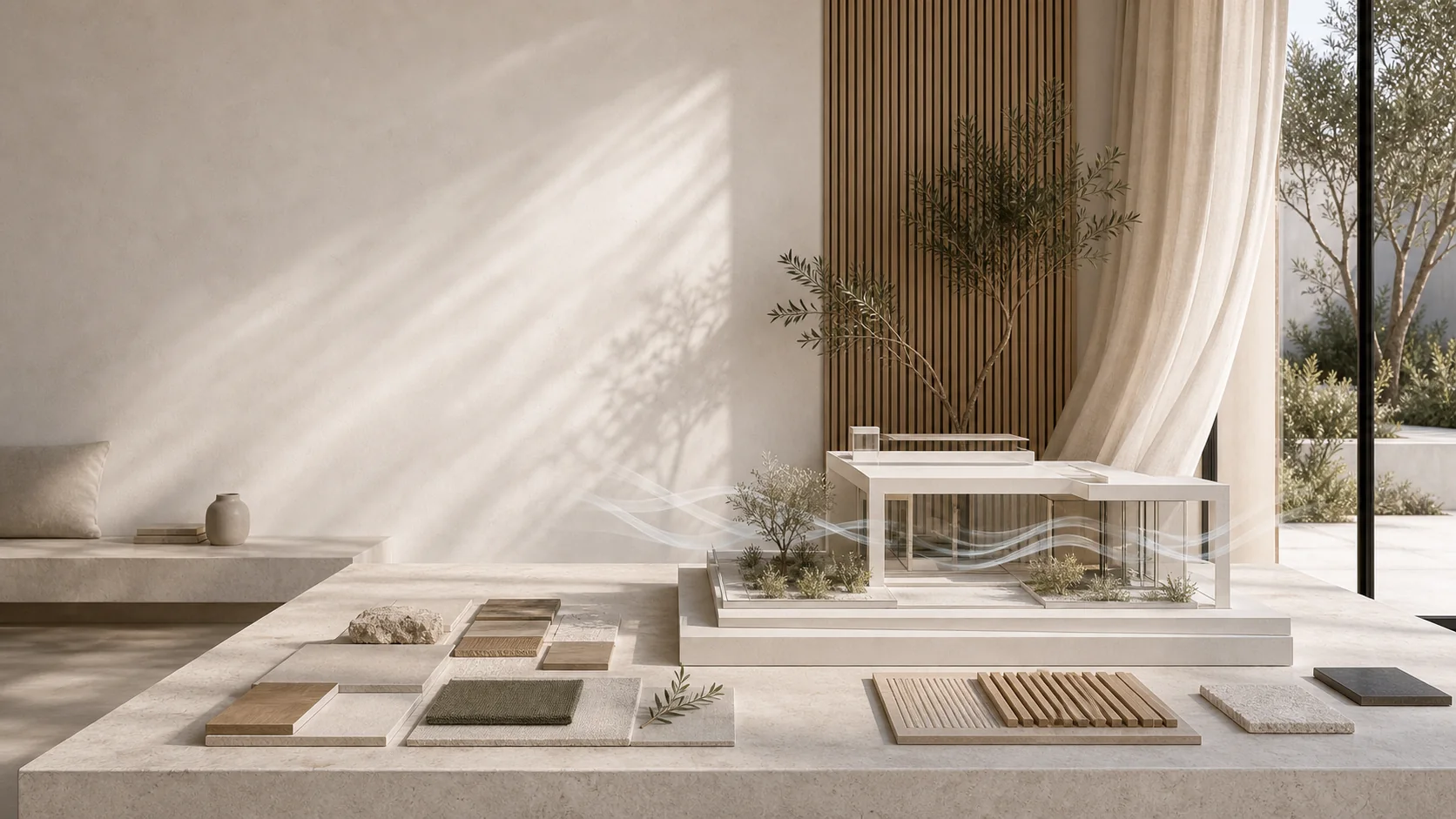
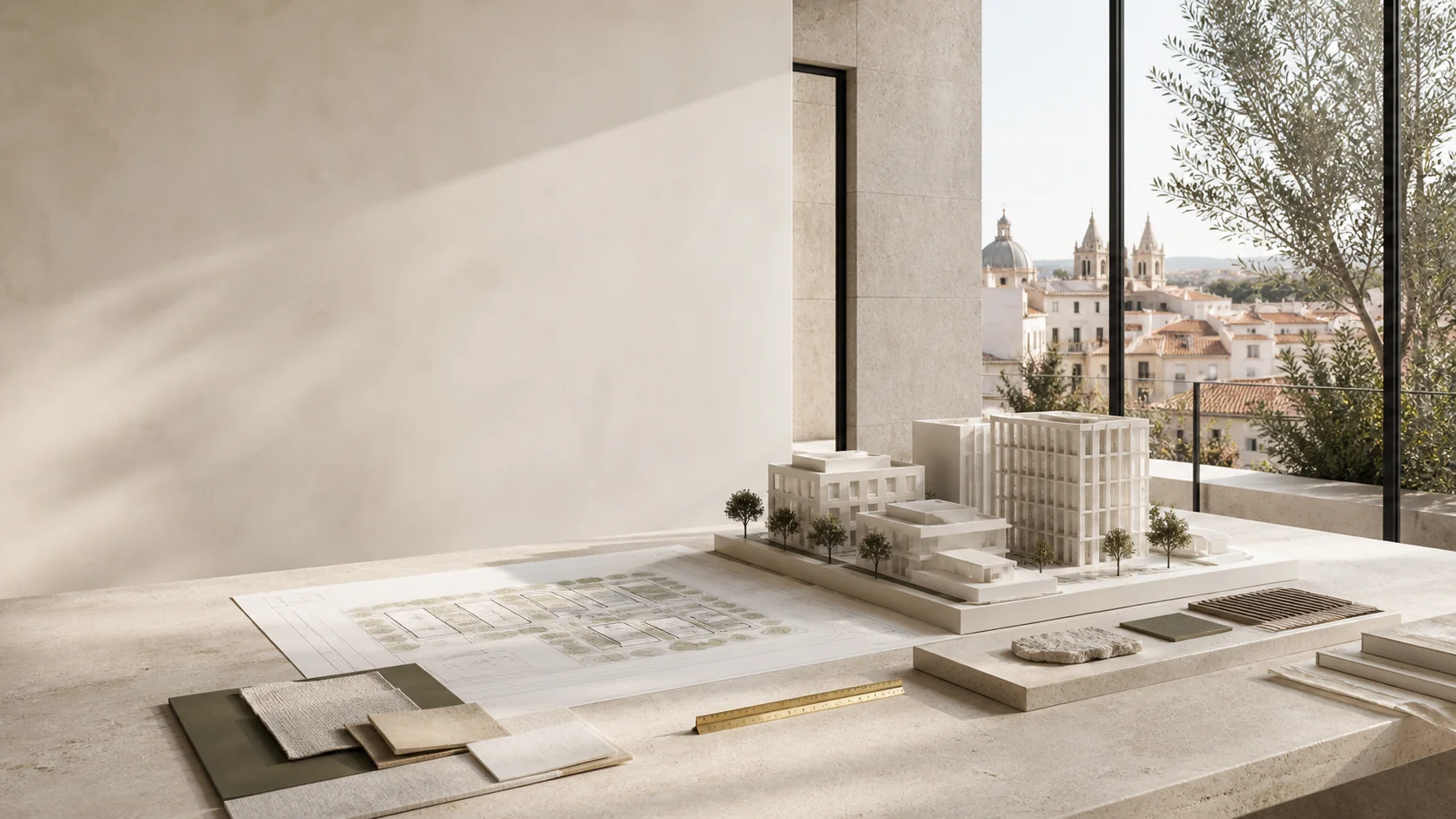
Well-being architecture and WELL design

Why Wolfblanc for Well-being Design


  • WELL AP expertise: Our accredited team applies the International WELL Building Institute methodology as an active design framework rather than a post-design audit.
  • Beyond certification: We can guide a formal WELL pathway or apply the same evidence-based principles without pursuing certification.
  • Applicable across typologies: The method scales to homes, hotels, workplaces, healthcare and educational environments when integrated from the beginning.
  • Measurable long-term value: Better light, air, sound and comfort support health, concentration, user satisfaction and the performance of the property.