Most clients who have been through a difficult architecture project describe the same experience. The early meetings were excellent. The principal was present, engaged, clearly understood what the project needed. Then the contract was signed. And somewhere in the months that followed, the quality of attention changed.
Not the quality of the work necessarily. The quality of attention. Whether the person carrying final accountability for their project was genuinely present when it mattered.
The Gap Between Proposal and Delivery
Architecture practices need both senior judgment and a capable delivery structure. The important question is not whether one person personally handles every task. It is whether responsibility remains clear after the proposal stage, and whether decisions can move quickly when the project needs them.
Clients feel this most when an authority asks for a change, a contractor proposes a substitution, a coordination issue appears late in documentation, or a cost decision has to be made under pressure. At that point, the project needs a clear chain of responsibility, not vague reassurance.
What Senior Accountability Actually Means on a Project
There is a meaningful difference between periodic oversight and a documented delivery structure. A well run project needs a named point of contact, clear decision rights, senior review at the right moments, and a team that understands the technical and commercial consequences of each decision.
At Wolfblanc, accountability is built into the way projects are organised. Strategy, design direction, technical quality, communication, consultants, contractors, and programme are coordinated through a clear project structure. The people involved may change by phase, but responsibility does not disappear after the first meeting.
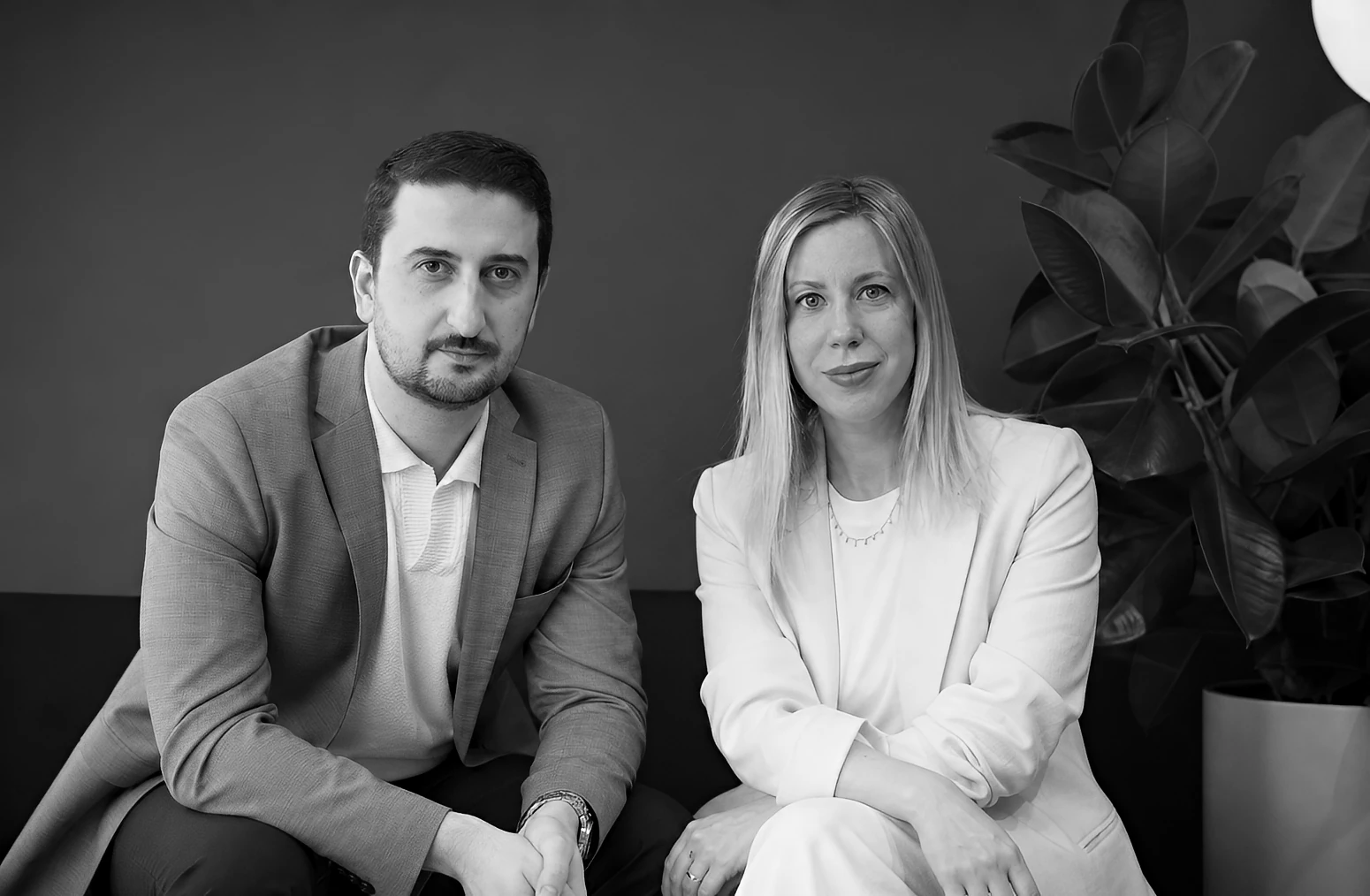
Both founding partners bring direct delivery experience at the scale and complexity that most practices encounter rarely. Between them they have delivered over 3,500 residential units across Stockholm, working at every project phase from feasibility through construction documentation for developers including Skanska, JM, Einar Mattsson, Bonava, Familjebostäder, Serneke, and Stena Fastigheter. That experience is not background context. It is part of how the studio works.
The practice holds COAM registration N.25160 in Spain, a legally mandatory professional registration for architectural practice. In Sweden, both partners hold SAR/MSA membership with Sveriges Arkitekter, the professional registration that identifies qualified architects in the Swedish market. In Greece, the practice holds the legally required TEE-TCG registration N.168011. WELL AP accreditation. Four languages across the practice for technical and regulatory work in all three markets.
Questions Worth Asking Any Studio Before You Sign
The relevant questions before hiring any architecture practice are not about portfolio or awards. Those reflect past work. The questions that determine what happens on your project are about accountability, continuity, and decision structure.
Who is the named lead on this project, and what is their role? Which decisions require senior review, and how quickly does that happen? When something unexpected comes up on site, who has the authority to resolve it? How is project knowledge carried from the first brief into design, documentation, procurement, and delivery?
A practice that answers those questions specifically and directly is one where the structure exists. That is the starting point for a project that will be led well.
If you have a project in Spain, Sweden, or Greece and want to understand what working with Wolfblanc would involve, use the contact options below. A senior partner will usually reply within two business days.